Halloween Bat Tumbler Sublimation Design: A Maker’s Review
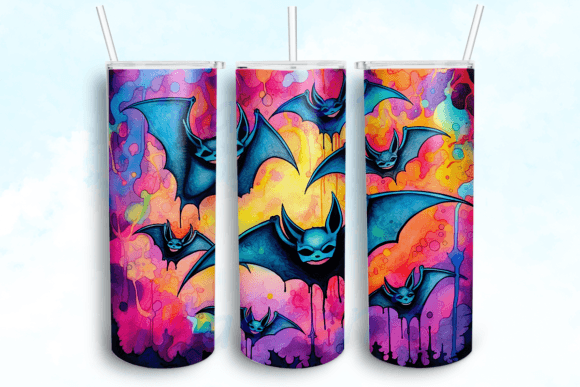
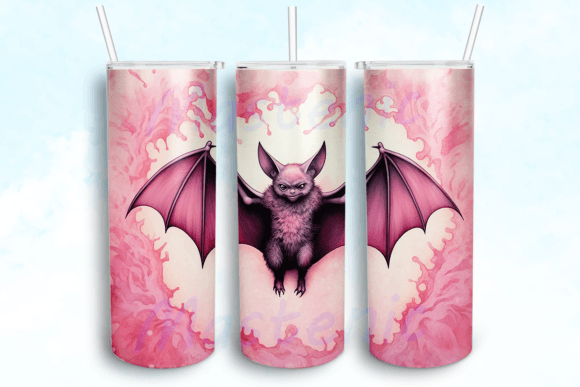
I’ve been staring at the Halloween Bat Tumbler Sublimation Design for a solid ten minutes, and I already know exactly which project it’s going to land on first. The mood is immediate — a little spooky, a little whimsical, and completely unapologetic about its Halloween energy. The bat shape isn’t overly detailed or cartoonish. It walks a clean line between bold silhouette and playful accent, the kind of graphic that reads well from across a craft fair table without screaming for attention. As an embroidery designer, I’m always looking for artwork that translates into stitches without losing its soul, and this one gave me a clear mental picture the moment I opened the file.
The listing includes two PNG files — one straight, one tapered — both formatted for 20oz skinny tumblers. That’s a sublimation product, not an embroidery file. But here’s the thing: a good graphic is a good graphic. If you’re a digitizer, a small shop owner, or a handmade business crafting custom apparel, this artwork becomes a launchpad. I spent the afternoon building a mockup for a cozy black sweatshirt, imagining the bat centered on the chest with a soft satin stitch outline, and the whole thing clicked. The design’s personality is flexible enough to feel at home on a child’s Halloween tee, a kitchen towel for a seasonal hostess gift, or a boutique patch set.
First Look: Shape, Theme, and the Kind of Project It Calls For
The bat’s silhouette is the star. It’s chunky in the right places — broad wings, a rounded body — and the curves have a nice flow that avoids jagged, overcomplicated edges. That matters when you’re planning an embroidery version. Intricate, lacy cuts might look stunning on a screen, but they become a headache on a sewing machine. This design leans into simplicity with purpose. The wing tips are slightly swept, the ears are distinct, and the overall shape holds its own even when reduced to a small chest logo or an embroidered pocket accent.
I could see this working beautifully as a standalone appliqué on a tote bag. Imagine a deep plum or charcoal fabric, a black bat outlined in a contrasting orange or glow-in-the-dark thread, and maybe a few tiny star stitches scattered around. The mood is equal parts playful and polished. It’s not the kind of Halloween design that screams “disposable” — it’s something a customer would pull out year after year, which is exactly the kind of product that builds trust in a handmade shop.
Real Embroidery Scenarios: Where It Shines
I tested the straight PNG in a digitizing preview, placing it on a standard 4×4 hoop mockup. The design’s solid, readable shape meant I could keep the stitch count manageable without losing character. For a machine embroidery design, that’s gold. It would work as a clean fill stitch with a narrow satin border, or as a dense appliqué with a running stitch tack-down. The tapered version, which follows the curve of a tumbler, translates surprisingly well to curved surfaces like caps or the upper back of a toddler jacket.
Here’s where I’d feel confident using this artwork as the foundation for a project:
- Custom apparel: sweatshirts, t-shirts, zip-up hoodies, and baby onesies all benefit from the bat’s centered, symmetrical layout.
- Tote bags and canvas pouches: the design’s size fits a 6×10 or 5×7 hoop without distortion, making it a quick, high-impact make.
- Embroidered patches: digitize the bat with a merrowed edge or a satin-stitch border, and you’ve got an instant craft fair hit.
- Kitchen towels and aprons: paired with a subtle spiderweb pattern or a fun “Witch’s Brew” text, this becomes a seasonal gift set.
- Pillow covers and nursery decor: the bat’s friendly shape works for a not-too-scary nursery theme, especially in soft flannel or minky fabric.
- Boutique branding: a small embroidered bat on a hangtag or a coordinated set of jar cozy labels gives a cohesive, professional look.
I also dropped the design into a printable mockup for a client’s Etsy listing preview. The bat’s crisp edges held up on both light and dark virtual backgrounds, and the tapered file gave a realistic wrap effect on a mock cup. That’s a small but meaningful detail for sellers who rely on convincing product visuals.
Where You’ll Want to Pause and Test
No design is a one-size-fits-all miracle, and this one has a few practical considerations every maker should run through. Because the original artwork is a PNG, you’ll need to digitize it yourself or use auto-digitizing software with caution. The bat’s wings have some subtle inner curves that could cause unnecessary trims or thread breaks if the stitch direction isn’t manually adjusted.
Pay close attention to these situations:
- Small hoop sizes: If you shrink the bat below 2 inches, the wing details could blur into a blob. Test on scrap fabric before committing to a baby bib or a cap.
- Stretchy and thin fabrics: The design’s solid fill areas need proper cutaway stabilizer on jersey knits or lightweight tees to prevent puckering.
- Dark fabric: The bat is a black silhouette in its default form, so on a dark background it disappears. Plan for a contrasting thread color — bright orange, lime green, or silver metallic — or use a knock-out appliqué base.
- Curved surfaces like caps: The tapered PNG gives a head start, but cap embroidery frames require careful placement. Always test the digitized file on a structured cap before listing it for sale.
- Frequent washing: If the finished product is a kitchen towel or a child’s sweatshirt, use a dense but not overly heavy stitch density, and consider a soft backing to prevent irritation.
I also made a black-and-white mockup to check the design’s readability without color cues. The bat shape held strong, which tells me it would work as a tone-on-tone tone embroidery or a subtle textured patch on a linen apron. That’s a versatility test I always run on graphics before turning them into embroidery projects.
Visual Appeal, Customer Trust, and the Unspoken Value of a Strong Graphic
The Halloween Bat Tumbler Sublimation Design doesn’t try to do too much. It’s not cluttered with text, it doesn’t rely on trendy filters, and it doesn’t need a dozen color changes to make sense. That restraint translates directly into a more professional finished product. A clean, recognizable shape makes a customer feel like they’re buying something intentional, not a last-minute clip art print. Over years of selling handmade goods, I’ve learned that buyers react to clarity. A bat that’s instantly readable from across the room builds confidence faster than a muddy, overwrought design.
For a craft business, this design also opens up easy personalization options. Add a name under the wing in a simple script, or stitch a small initial on the bat’s belly, and suddenly you have a custom gift that feels thoughtful. The artwork’s simplicity leaves room for your own creative additions without fighting for attention.
Practical Notes for Embroidery Designers and Shop Owners
Before you commit to a full run of embroidered products, here’s the checklist I’d follow with this particular graphic:
- Test on scrap fabric first. Run a small stitch-out of the bat on a medium-weight cotton with a medium-weight cutaway stabilizer. Check for crisp wing tips and clean satin borders.
- Check thread color contrast. The bat’s default black silhouette needs a pop of color if used on dark backgrounds. I’d sample a deep charcoal body with a metallic copper outline for a more elevated look.
- Review stitch density. A solid fill bat can feel stiff on a garment. I’d reduce the density slightly for sweatshirts and add a light underlay to keep the shape stable.
- Confirm hoop size. Measure the digitized design at the intended size. The tapered PNG naturally fits a 6×10 or 5×7 hoop for most tumbler-inspired layouts, but the straight version can easily be scaled to fit a 4×4.
- Inspect small details. The wing tips and the inner curve where the wing meets the body are the first places distortion can appear. Zoom in and adjust stitch angles manually.
- Test on both light and dark fabrics. A mockup on a white tee and a black tee will look drastically different. Do both before photographing your final product.
- Check licensing. The listing is for a digital file, and while it’s marketed for sublimation, confirm whether the seller allows commercial use of the graphic on embroidered items you plan to sell. Most graphics in the Crafts category do, but it’s always safe to double-check.
You’ll also want to note that this is a Graphics product, not a ready-to-stitch embroidery file. You’re buying the artwork, not the stitch file, so you’ll need to digitize it yourself or hire a digitizer. The straight and tapered PNGs give you flexibility, but they don’t include any embroidery-specific formats. That’s not a drawback — it’s just a clarity point for anyone new to using sublimation or printable designs in a stitch-based workflow.
Final Project Thoughts From the Worktable
I keep coming back to that tote bag idea. I’m picturing a sturdy canvas tote with a deep orange lining, a centered bat appliqué on the front pocket, and a few scattered stars in a soft gold thread. The Halloween Bat Tumbler Sublimation Design would be the anchor that pulls the whole look together. It’s the kind of project that feels like a genuine handmade product, not a mass-produced seasonal item. And that’s the real test for any graphic that crosses my desk: does it inspire a project that someone would actually want to keep?
For Etsy sellers and craft fair vendors, this design offers a quick path to a cohesive collection. Pair the bat with a pumpkin, a ghost, and a simple wordmark, and you’ve got a full Halloween line ready for embroidery. The tapered file’s tumbler-friendly curve even hints at matching mug rugs or coaster sets, which would be a smart upsell at a market booth.
If you’re on the fence, grab a scrap of fabric, load the PNG into your digitizing software, and just play with it. Sometimes the best designs aren’t the ones that demand the most effort — they’re the ones that make your projects look complete without overcomplicating your stitch process. This bat is one of those.