Skull Cactus Tumbler Sublimation Graphics & Crafts Review
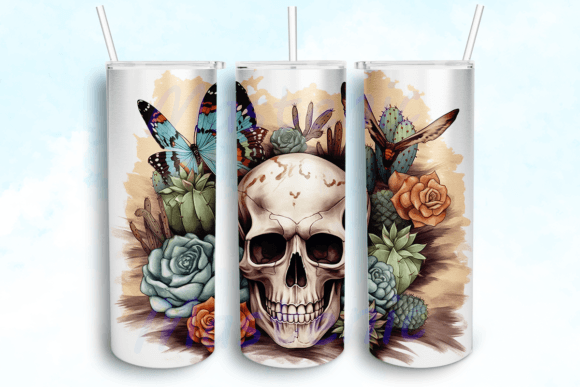
When I first opened the Skull Cactus Tumbler Sublimation Design folder, I immediately knew which corner of my shop this would fit into. The design walks a line between desert grit and playful edge, blending a skull motif with cactus silhouettes in a way that feels less like seasonal Halloween decor and more like a year-round statement piece. It has that southwestern, slightly rugged personality that appeals to buyers who want something bolder than a floral pattern but more crafted than a generic rock-and-roll graphic. The mood sits somewhere between rustic and modern alternative, which opens up a surprisingly wide range of product categories.
For anyone running a digital download shop, a print-on-demand storefront, or a handmade crafts business, the visual personality of a single asset can anchor an entire collection. This one reads as deliberate and decorative, not cartoony or overly cute. That matters when you are trying to attract customers who browse for graphic design asset options that feel substantial enough to put on a physical product they will use daily. I could see this working well on a 20oz skinny tumbler, which is exactly what the file dimensions are built for, but I also started mentally placing it on other merchandise before I even finished inspecting the layers.
First Impressions of the Sublimation File Set
The download includes two PNG files, one straight and one tapered, both formatted specifically for 20oz skinny tumblers. This dual-format approach is a small detail that signals the creator understands how sublimation sellers actually work. Not every tumbler press setup uses the same blank shape, and offering both variations saves time and reduces the frustration of warping a design to fit a tapered surface. The sublimation design itself is crisp, with clean edges and a transparent background that previewed well against both light and dark mockup surfaces.
From a purely practical standpoint, the resolution held up under magnification. I tested the file at 300 DPI on a standard print layout and did not see the kind of pixelation that makes a design unusable for physical product creation. The PNG design format means it drops directly into Cricut Design Space, Silhouette Studio, Photoshop, or Canva without any conversion gymnastics. For sellers who package design assets for customers, this also means the file is ready to include in a bundle without extra formatting work.
Niche Appeal and Target Audience Fit
The Skull Cactus Tumbler Sublimation Design appeals to a specific buyer demographic that is active and growing. Think of customers who love desert aesthetics, boho-gothic styling, southwestern decor, and alternative fashion with a nature-inspired twist. This is not a mass-market floral; it leans into a subculture that values individuality. When I evaluate a digital product for commercial use, I always ask whether the audience is broad enough to generate consistent sales but narrow enough to face less saturation. This design hits that balance well.
On Etsy, I could see this performing in shops that sell tumbler wraps, ready-to-press transfers, and digital sublimation bundles. On Creative Fabrica, it fits the craft niche where buyers search for crafts assets they can use on mugs, apparel, and home decor. The skull element gives it an edge that separates it from standard cactus clipart, while the cactus softens the skull enough to keep it accessible. It is not gory or aggressive, which makes it viable for a wider age range and gift market.
Real Shop Scenario: Building a Desert-Inspired Collection
I tested this asset in a mock product planning session for a new seasonal collection built around desert and southwestern themes. The goal was to create a cohesive product line that could sit under one brand umbrella across multiple platforms. I placed the Skull Cactus Tumbler Sublimation Design on a 20oz tumbler mockup first, since that is the primary intention, and the fit was snug and accurate on both the straight and tapered options. The design wrapped naturally without awkward cutoffs, which is a common problem with tumbler graphics that are not precisely sized.
From there, I expanded the test. The same PNG worked surprisingly well as a centerpiece on a tote bag mockup, scaled down slightly to create a framed decorative panel. On a crewneck sweatshirt, the design read as bold and structured, especially when paired with a clean sans serif font underneath for a quote or brand name. I also tested it on a mug layout, a simple ceramic mug with a white background, and the high-contrast areas of the skull popped immediately. The printable design translated across product types better than I expected for a file originally optimized for tumblers.
Merchandise and Product Expansion Ideas
One of the most valuable exercises I do with any new illustration or clipart asset is to list every product category where it could realistically sell. This helps me write better listing descriptions, create more relevant mockup previews, and plan cross-promotional bundles. For this design, the list came together quickly:
- 20oz skinny tumbler wraps, straight and tapered
- Ceramic mug sublimation prints
- Cotton tote bags and canvas pouches
- Unisex t-shirt and hoodie graphics
- Sticker sheets and die-cut decals
- Phone case designs with centered placement
- Wall art prints in a southwestern gallery set
- Greeting cards with a blank interior for custom messages
- Notebook covers and journal designs
- Social media templates for desert-themed brands
Each of these product types taps into a different part of the creative marketplace ecosystem. A seller who focuses on print-on-demand can list the same design on multiple products through a single platform like Printful or Printify. A digital download shop owner can sell the PNG as part of a commercial-use bundle with a clear license. A Cricut project creator can use the file to make layered vinyl decals for car windows, laptops, and water bottles.
Testing the Design for Thumbnail Appeal and Listing Quality
Marketplace success often comes down to the first impression a thumbnail makes. I tested the Skull Cactus Tumbler Sublimation Design at thumbnail size, around 200 by 200 pixels, to simulate how it would appear in Etsy search results or on a crowded Creative Fabrica category page. The silhouette remained recognizable, and the contrast between the skull and cactus elements held up even at a reduced scale. This is critical for Etsy product listings where the thumbnail is the primary driver of click-through rates.
I also tested the design on a product mockup with a light wood background and a darker slate background. The transparent PNG handled both well, though the darker background made the lighter areas of the skull design pop more dramatically. For sellers who want to create listing images that feel premium, I recommend showing the design on at least two contrasting backgrounds so the buyer can visualize how it looks in different contexts. This small effort in product mockup presentation builds perceived value and customer trust.
Where the Design Performs Best
After running through multiple mockup scenarios, I identified the strongest use cases for this asset. The design excels in applications where it can be the focal point of a product with a generous printable area. Large product previews, decorative tumbler wraps, centered sweatshirt graphics, and tote bag panels all let the details breathe. The linework and shading are detailed enough to look intentional up close without becoming muddy when scaled up.
Themed bundles are another strong fit. Pairing this design with complementary desert elements, geometric borders, southwestern patterns, and coordinating graphics creates a collection that feels curated rather than randomly assembled. For shops that sell design bundle packages, this asset adds a darker, edgier option that balances out softer botanical or minimalist pieces. The contrast within a bundle can actually increase the perceived variety and value of the collection.
Where to Use the Design Carefully
No single asset works perfectly in every scenario, and honest evaluation means identifying the limitations. The Skull Cactus Tumbler Sublimation Design has intricate line details that may not translate well to very small sticker sizes, particularly anything under two inches. The fine elements around the cactus spines and skull contours could become indistinct at tiny scales, which matters for sticker sheet sellers and anyone creating mini decals.
Text-heavy templates also require caution. The design is visually dense and commands attention, which means overlaying paragraphs of text or multiple font styles on top of it can create visual clutter. If you plan to use this on a Canva template or social media graphic, give it breathing room and keep accompanying text minimal. A short headline in a clean serif font or a bold sans serif works; a long quote in a script font layered over the skull will likely feel chaotic.
For Cricut and Silhouette users who need to cut vinyl or heat transfer material, the detailed edges may require a sharp blade and a steady weeding hand. This is not a simple single-path cut file unless you manually simplify the design. Sellers who offer SVG design versions should test the cut quality on actual vinyl before listing, because what looks clean on screen can produce frustratingly delicate cuts on a cutting mat.
Practical Seller Notes Before Publishing
Before listing any product that uses this asset, I run through a checklist that has saved me from customer complaints and refund requests more times than I can count. I recommend every seller do the same, whether you are preparing a single tumbler wrap listing or a full commercial design collection.
Test the design on real mockups, not just the digital preview. Print a sample if you sell physical products, or at least view the file on a calibrated screen that approximates print output. Check how the colors render on white and dark backgrounds, because the same design can look washed out on one and vibrant on the other. Verify PNG transparency carefully; a stray white pixel or incomplete background removal can ruin a tumbler wrap when it goes to print.
Inspect the file resolution and confirm it matches what you claim in your listing description. If the file is 300 DPI at the tumbler dimensions, state that clearly. Organize the files in a clean folder structure before delivering to customers. A folder labeled with the product name, containing clearly named files like "Straight-Tumbler-20oz.png" and "Tapered-Tumbler-20oz.png," reflects a professional small business branding approach that earns repeat buyers.
Confirm your commercial licensing before selling finished products. Most digital download assets come with a license that allows use on physical products for sale, but always read the terms. If you plan to resell the design as part of a bundle or as a standalone digital file, check whether the license permits digital redistribution. Never assume, because a single licensing misunderstanding can result in a takedown notice.
Typography Pairings and Layout Experiments
When I tested the design with different font styles, several combinations stood out. A clean sans serif font, something geometric and understated, created a modern contrast against the organic shapes of the skull and cactus. A serif font with a slightly western feel, something with slab serifs, amplified the southwestern aesthetic without feeling costume-like. A handwritten script font worked well for a single word or short phrase placed below the design, adding a personal, handmade touch that suits the handmade business market.
I would avoid pairing this design with overly decorative display fonts that compete for attention. The design already carries significant visual weight, and the typography should support it, not fight it. For packaging design and brand identity projects, I found that placing the design on one side of a product and leaving the reverse side clean with a simple logo mark created a balanced, premium look.
Commercial Value and Long-Term Usefulness
An asset earns its place in my library when I can use it across multiple seasons and product types without it feeling stale. The Skull Cactus Tumbler Sublimation Design has a timeless southwestern quality that is not tied to a specific year or trend cycle. The skull element gives it longevity in alternative and boho markets, while the cactus keeps it grounded in nature, which is perennially popular in home decor and lifestyle products.
For sellers building a creative marketplace presence, this design offers versatility that extends beyond the original tumbler use case. I can see it being used in social media graphics for desert-themed brands, in printed invitations for southwestern events, and in commercial license bundles that attract crafters looking for unique, non-generic art. The visual hierarchy of the design works because the eye moves naturally from the skull to the cactus details, creating a reading experience that feels intentional and well-composed.
After testing, inspecting, and planning around this asset, I would confidently include it in a product lineup aimed at buyers who value distinctive, slightly edgy design work. It is not a mass-appeal graphic, and that is a strength. In a marketplace flooded with generic florals and overused quotes, a design with genuine personality and specific niche appeal can command better pricing and build a more loyal customer base. The key is presenting it professionally, testing it thoroughly, and positioning it in front of the right audience, which is exactly what a strategic seller does with every quality graphic design asset they add to their shop.