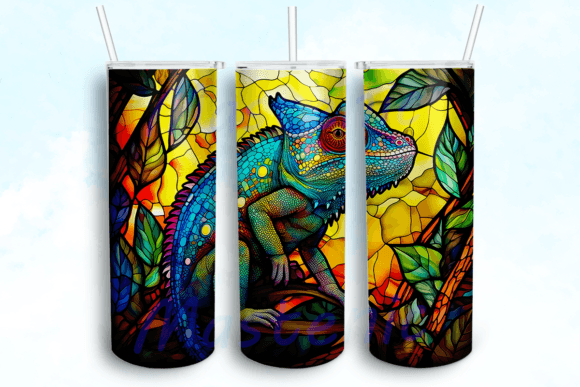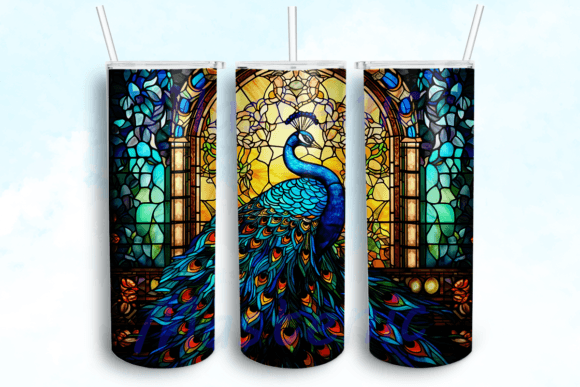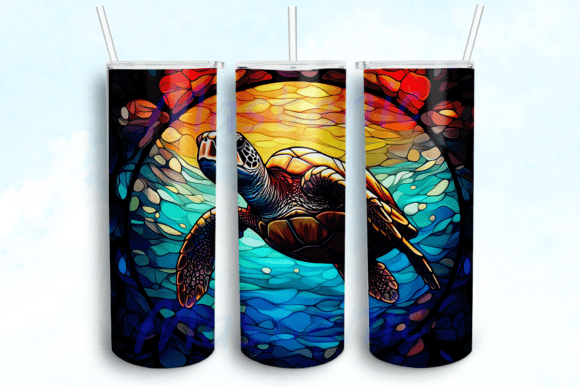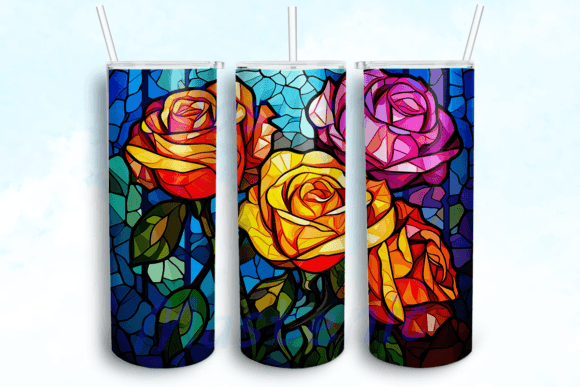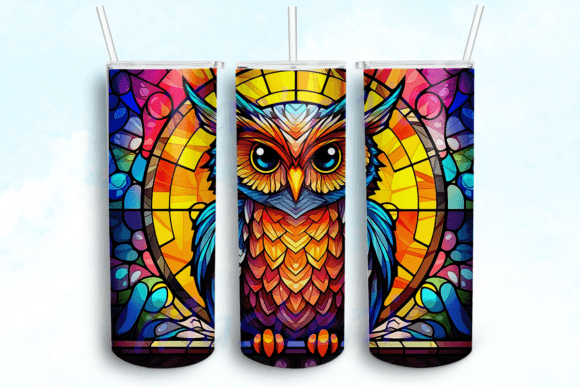
Owl Stained Glass 20 Oz Skinny Tumbler Graphics for Crafts
Unboxing the Visual Mood of a Stained Glass Owl
When I first opened the download for the Owl Stained Glass 20 Oz Skinny Tumbler graphics, I wasn’t just looking at a tumbler wrap. I was looking at a complete design asset that could anchor a whole seasonal collection, a niche product line, or a standout listing in any creative marketplace. The stained glass effect itself immediately sets a mood that feels equal parts gothic, cozy, and artisanal. Deep ambers, sapphire blues, and emerald greens catch the light in a way that mimics real cathedral glass, but with enough digital softness to work across multiple product types. It’s a visual that attracts the bohemian decor lover, the owl enthusiast, the nature witch, and the modern rustic crafter all at once.
For a digital product creator, that kind of cross‑niche appeal is gold. The owl, rendered in geometric stained glass panels, avoids looking childish. It leans into handcrafted warmth and a hint of mystery. This is a graphic design asset that feels premium without being cold, and decorative without being dated. The mood is exactly what I want when I’m preparing a new collection for Etsy, Creative Fabrica, or a print‑on‑demand storefront: something that stops a scroll, makes a buyer imagine it in their own home, and still reads clearly as a thumbnail.
What You Actually Get in the Instant Download
This listing delivers exactly what it promises for anyone working with 20 oz skinny tumblers. Inside the folder, you’ll find two high‑quality PNG files: one straight and one tapered. Both are sized to wrap a standard 20 oz skinny tumbler, and the inclusion of a tapered version shows real attention to the sublimation community. A straight‑only file can cause distortion at the top or bottom of a tapered tumbler, so getting both files means you can offer a professional, distortion‑free finished product right out of the gate.
The files are transparent PNGs, which makes them instantly usable as a sublimation design for tumblers, mugs, or even tote bags if you scale them appropriately. They aren’t SVG cut files, so I wouldn’t try to feed them directly into a Cricut or Silhouette for vinyl cutting without converting and simplifying the design. But as a printable design for sublimation, waterslide decals, or even heat transfer paper, they’re ready to go. The resolution held up beautifully when I placed them onto a product mockup at full size, and the stained glass edges stayed crisp, with no pixelation around the intricate lead lines.
Testing the Design Across Real Product Scenarios
Before I ever list a digital download or a finished product, I run a design through a handful of practical tests. With this owl, I started by dragging the straight PNG onto a high‑resolution product mockup of a white 20 oz tumbler. The wrap aligned perfectly, and the rich jewel tones popped against the bright background. I then tested it on a dark tumbler mockup, and while the design held its own, the deepest blue sections lost a little contrast. That’s not a flaw in the asset—it’s a reminder to include a note for customers using dark substrates, or to offer a white‑backed version for better visibility.
Next, I tried the design as a clipart element on a greeting card layout. By isolating the owl and scaling it down to about 3 inches tall, I could see how the stained glass details translated to a smaller format. The essence of the owl remained readable, but the finer inner lines began to merge at very small sizes. This tells me the asset works best as a hero image—on tumblers, large mug designs, tote bags, or even framed wall art—rather than on tiny sticker designs or intricate packaging details where you need flawless micro‑clarity.
I also imported the tapered PNG into Canva and layered it onto a pre‑made template for a social media graphic. The transparent background made it simple to place behind a soft cream overlay, and the result felt like a premium promotional visual for a handmade business, not a generic clip art mishmash. That kind of versatility is exactly what you want when you’re building a brand identity around a cohesive visual style.
Where This Graphic Shines as a Selling Asset
Based on my testing, the Owl Stained Glass 20 Oz Skinny Tumbler design is a powerhouse for the following product types:
- Sublimation tumbler wraps – The primary use case, and it’s flawless when printed correctly.
- Printable wall art – The owl alone, centered on a large canvas or framed print, can become a high‑perceived‑value decor item.
- Mug and tote bag graphics – Scaling the design or using the central owl as a focal point creates a sturdy sublimation or DTG design.
- Seasonal bundles – Pair this with autumn leaves, celestial motifs, or woodland creatures, and you’ve got a fall or Halloween design bundle that sells well from September through November.
- Canva templates – As a drag‑and‑drop element in a template, it adds a handmade, artisanal touch to planners, journals, or social media kits.
- Greeting cards and invitations – Large enough as a card face, it works beautifully for mystical or nature‑themed stationery.
Where I’d Use It With Caution
No single design asset fits every single product, and honest sellers know when to hold back. The owl’s fine stained glass lines, while gorgeous, can become a liability in these cases:
- Sticker sheets – When printed under 2 inches, the intricate lead lines blur together and lose the stained glass illusion.
- Cricut vinyl projects – Without a clean SVG design with separated paths, cutting this intricate pattern will be a weeding nightmare. This is not a cut‑ready file.
- Text‑heavy layouts – The owl competes strongly for attention. If you place it behind a long quote or a cluttered thumbnail, the visual hierarchy collapses.
- Low‑resolution prints – Always confirm the file’s DPI and test on your own printer, especially if you’re offering it as a digital download for customers to print at home.
Packaging and Presenting the Asset for Commercial Sales
If you’re a digital product creator who plans to resell the finished physical products, or if you want to rebrand this design as part of your own commercial design collection, presentation is everything. I always organize my files in a clean folder with clear naming. For this owl, I’d rename the files to something like OwlStainedGlass_Straight_20oz.png and OwlStainedGlass_Tapered_20oz.png so customers instantly know what they’re getting.
In a product listing for an Etsy shop or a creative marketplace, thumbnails need to sell the dream. I’d create at least three mockup images: one on a white tumbler with a sunlit background, one on a dark wood table with a cozy coffee mug, and one as a flatlay with autumn leaves and a candle. This visual storytelling approach builds customer trust and signals that the design is versatile and professional.
When it comes to pairing fonts with this graphic, I’ve found that a mix of styles works well. A subtle serif font for a name or title adds a classic bookplate feel, while a light handwritten font below the owl can soften the overall look for a more feminine, bohemian vibe. For social media promos, a clean sans serif keeps the graphic modern and scroll‑friendly. I’d avoid overly decorative display fonts, because the owl itself is already the star.
Commercial Licensing and the Realities of Selling Finished Products
Before you press publish on any listing, double‑check the commercial license attached to the original download. The fact that the file is sold as an instant downloadable asset for 20 oz tumblers suggests the creator expects you to use it on physical products, but always read the fine print. Can you sell the printed tumbler? Can you incorporate the design into a larger bundle you sell? Can you modify the colors? For a small business owner, clarifying these points upfront saves you from takedown notices and protects your shop’s reputation.
I typically keep a record of all my source assets and their license terms. If the license allows, I’ll also consider creating a coordinated set: a fox, a raven, or a moon phase in the same stained glass style. That kind of thematic expansion turns a single graphic design asset into a full design bundle that commands a higher price point and keeps customers coming back for more.
Final Testing Notes for the Detail‑Oriented Seller
If you’re preparing to build a product line around this owl, here’s a quick checklist I run through before finalizing any listing:
- Test the print size – Print the straight PNG at 100% on a sheet of paper and wrap it around an actual 20 oz skinny tumbler. Check for alignment, seam overlap, and any distortion.
- Check the resolution – Zoom in to 300% on your screen and look for jagged edges along the lead lines. If you’re seeing artifacts, the file may need to be scaled down slightly.
- Preview on multiple backgrounds – The transparent background is a blessing, but the design’s darker sections may vanish on a black tumbler. Consider offering a version with a subtle white drop shadow or a soft glow layer for versatility.
- Verify PNG transparency – Open the file in a program that supports transparency and confirm there are no stray white pixels around the edges that would show up on a dark substrate.
- Create a mockup listing image – Use a high‑quality product mockup to show the straight and tapered versions side by side, so buyers understand the difference.
- Organize customer files – If you’re reselling the digital asset, package it with a simple PDF guide that explains the difference between straight and tapered, and offers basic printing tips.
I’ve found that these small steps turn a decent digital product into a trusted, repeat‑purchase magnet. Handmade business owners and crafters are savvy; they can spot a slapped‑together listing from a mile away. The extra care you put into testing and presentation is what builds your brand identity and keeps your shop’s reviews glowing.
Is the Owl Stained Glass 20 Oz Skinny Tumbler a Worthwhile Addition to Your Shop?
From a purely practical standpoint, yes. This PNG design fills a specific, high‑demand niche—20 oz tumbler wraps—and does it with a distinctive visual style that isn’t overrun in the market yet. The stained glass aesthetic gives it a timeless, handcrafted feel that appeals to buyers looking for something beyond flat, typical animal graphics. It’s equally at home in a rustic cabin collection, a witchy seasonal drop, or a bohemian home decor line.
For the craft seller or print‑on‑demand entrepreneur, the dual file format (straight and tapered) eliminates a major technical headache. You can offer customers a perfectly fitted tumbler without the fear of distorted prints. The transparent background makes it endlessly adaptable for social media graphics, canva templates, and even printable wall art, so you get multiple uses out of a single purchase.
The only real limitations are size and complexity. It’s not a tiny sticker, it’s not a cut‑ready SVG design for vinyl, and it needs a little extra care when paired with dark backgrounds. But those are honest design constraints, not flaws. In the world of design assets and commercial designs, knowing what a file does well—and what it doesn’t—is what separates a profitable seller from a frustrated one.
I’ll be adding this owl to my next woodland bundle, probably alongside a few other stained glass animals and some coordinating autumn clipart. It’s a quiet but strong seller that doesn’t need a lot of fuss to shine. If you’re looking to expand your physical product line or your digital download shop with something that feels both artful and commercially reliable, the Owl Stained Glass 20 Oz Skinny Tumbler graphics are a smart piece to add to your design toolkit.